Longyixing Chemicals


  Thermoplastic Polyurethane(TPU)Film&Sheet
  High-Performance Flexible Material for Industrial Applications
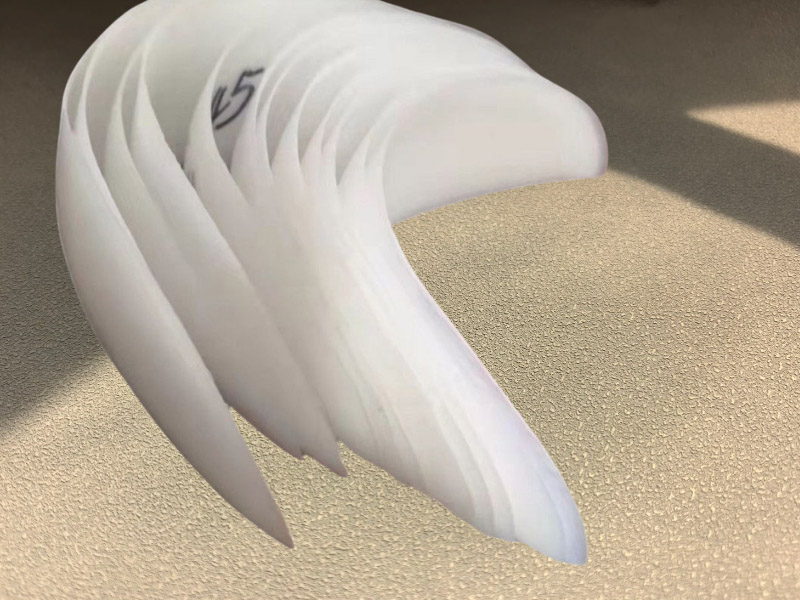
  Thermoplastic Polyurethane(TPU)Film&Sheet is a high-performance elastomeric material that combines the elasticity of rubber with the processing advantages of thermoplastics.It offers excellent flexibility,transparency,abrasion resistance,and durability,making it widely used across multiple industries such as textiles,footwear,automotive,electronics,medical,and protective applications.
  With outstanding physical properties and strong processing adaptability,TPU film and sheet have become one of the most important functional materials for modern manufacturing and lamination solutions.
  What is TPU Film&Sheet?
  TPU film and sheet are produced by extrusion,casting,or calendering processes using thermoplastic polyurethane resin.The material can be supplied in various thicknesses,hardness levels,and surface finishes such as glossy,matte,embossed,or anti-slip.
  Depending on the raw material structure,TPU can be divided into:
  Polyester TPU(high oil,abrasion resistance)
  Polyether TPU(excellent hydrolysis resistance and flexibility)
  Polycaprolactone TPU(balanced performance for long-term use)
  This versatility allows TPU film to meet different industrial performance requirements.
  Key Features of TPU Film&Sheet
  TPU film delivers a unique balance of mechanical and functional properties:
  Excellent elasticity and flexibility
  High abrasion and tear resistance
  Outstanding low-temperature performance
  Transparent or customizable color options
  Good oil,grease,and chemical resistance
  Strong bonding performance for lamination
  Eco-friendly,non-toxic
  These characteristics make TPU film a preferred alternative to PVC and other traditional plastic films.
  Thermoplastic Polyurethane TPU Film&Sheet Applications
  TPU film and sheet are widely used in high-performance industrial and consumer applications due to their durability and flexibility.
  1.Textile&Apparel Lamination
  TPU film is widely used for waterproof and breathable fabrics in sportswear and outdoor clothing.It is suitable for heat lamination with fabrics,offering comfort,elasticity,and durability.
  Applications include:
  Waterproof jackets and rainwear
  Sportswear and performance garments
  Seam sealing tape and fabric lamination
  Elastic and functional textiles
  2.Footwear Industry
  TPU sheet is widely used in shoe manufacturing due to its abrasion resistance and flexibility.
  Applications include:
  Shoe uppers and decorative films
  Hot melt adhesive film for bonding
  Waterproof lining materials
  Reinforcement layers
  3.Automotive Applications
  TPU film provides excellent durability and weather resistance,making it suitable for automotive interior and exterior applications.
  Applications include:
  Interior decorative trim
  Seat protection films
  Paint protection film(PPF)
  Surface coating and lamination layers
  4.Electronics&Protective Films
  TPU sheet is used for protective and functional layers in electronic products.
  Applications include:
  Screen protection films
  Flexible protective covers
  Cable and wire coating
  Shock-absorbing layers
  5.Medical&Healthcare Products
  Due to its safety and non-toxic properties,TPU film is widely used in medical applications.
  Applications include:
  Medical protective garments
  Air and fluid containment films
  Wound care materials
  Inflatable medical devices
  6.Industrial&Packaging Applications
  TPU film provides excellent mechanical strength and flexibility for industrial use.
  Applications include:
  Inflatable structures
  Protective packaging films
  Industrial sealing membranes
  Flexible composite materials
  Advantages of TPU Film Compared to Traditional Materials
  TPU offers:
  Higher durability and longer service life
  Better elasticity and recovery performance
  Stronger environmental compliance
  Superior low-temperature flexibility
  Better adhesion for lamination processes
  Why Choose Our TPU Film&Sheet?
  We provide high-quality TPU materials with stable performance and customizable specifications,including:
  Custom thickness and hardness(Shore A/D)
  Transparent,matte,and colored options
  Polyester,polyether,and special TPU grades
  Suitable for extrusion,lamination,and molding applications
  Our TPU films are designed to meet industrial standards for footwear,textile,automotive,and technical applications.
  SEO Keywords
  TPU film,TPU sheet,thermoplastic polyurethane film,TPU material,TPU lamination film,TPU waterproof film,TPU adhesive film,TPU automotive film,TPU textile film,TPU sheet manufacturer,TPU plastic film supplier
 Longyixing Chemicals Co., Ltd
Longyixing Chemicals Co.,Ltd, with 10+ years of experience in TPU R&D and manufacturing, we proudly serve clients across 30+ countries. Our 20,000+ sqm advanced production facility houses 7 fully automated production lines, delivering an annual capacity of 50,000+ tons to meet your TPU needs efficiently and reliably.
