Longyixing Chemicals


  Thermoplastic Polyurethane(TPU)for Automotive Parts
  High-Performance TPU Material for Automotive Applications
  Thermoplastic Polyurethane(TPU)is a versatile elastomer widely used in automotive parts manufacturing due to its excellent balance of flexibility,strength,and durability.
  TPU bridges the gap between rubber and plastics,offering high elasticity,abrasion resistance,and oil resistance,making it an ideal material for both interior and exterior automotive components
  With the increasing demand for lightweight,durable,and environmentally friendly materials,TPU has become a key material in modern automotive engineering.
  Key Advantages of TPU in Automotive Industry
  1.Excellent Abrasion and Wear Resistance
  TPU outperforms many traditional rubber materials in wear resistance,ensuring long service life in demanding automotive environments
  2.High Elasticity and Impact Resistance
  Its rubber-like flexibility allows TPU parts to absorb vibration and shock,improving vehicle comfort and durability
  3.Oil,Grease,and Chemical Resistance
  TPU performs well in contact with automotive fluids,making it ideal for seals,hoses,and functional components
  4.Lightweight and Design Flexibility
  TPU supports automotive lightweighting,helping reduce fuel consumption and emissions
  5.Weather and UV Resistance
  Suitable for both interior and exterior applications,maintaining performance under harsh environmental conditions.
  Typical Applications of TPU in Automotive Parts
  TPU is widely used across multiple automotive systems:
  Interior Components
  Instrument panel skins and trims
  Seat covers and soft-touch surfaces
  Door panels and decorative parts
  TPU films provide scratch resistance,flexibility
  Sealing and Functional Parts
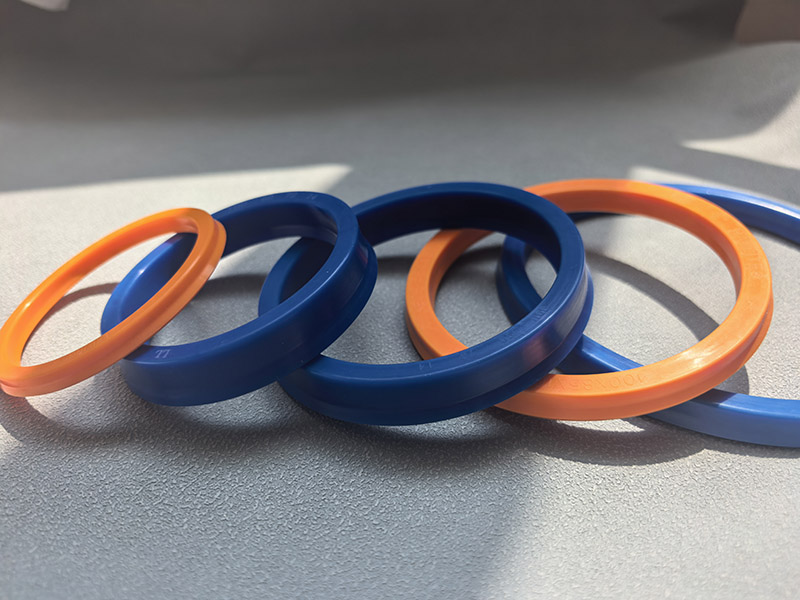
  Seals,gaskets,and O-rings
  Hydraulic and pneumatic components
  Flexible tubing and hoses
  TPU’s elasticity and oil resistance make it ideal for long-term sealing performance
  Exterior and Protective Applications
  Paint Protection Film(PPF)
  Cable sheathing and wire protection
  Mudguards and exterior trims
  TPU provides excellent scratch resistance,transparency,and durability,widely used in automotive surface protection
  Mechanical and Structural Parts
  Gear shift knobs
  Bushings and suspension components
  Shock absorber parts
  Its combination of strength and flexibility allows TPU to withstand dynamic mechanical stress
  Acoustic and Vibration Control
  Noise reduction foams
  Damping components
  TPU materials help improve ride comfort and noise reduction performance
  Processing Methods for Automotive TPU
  TPU resin supports various manufacturing processes:
  Injection molding
  Extrusion
  Blow molding
  Overmolding
  Film lamination
  These processing methods enable flexible design and high production efficiency for automotive components.
  Why TPU is Essential for Modern Automotive Industry
  With the rapid development of electric vehicles(EVs)and lightweight automotive design,TPU materials are increasingly important.
  They offer:
  Reduced weight
  Enhanced durability
  Improved comfort and safety
  Environmental compliance(low VOC,recyclable)
  TPU is now widely used in next-generation automotive solutions,from interior design to functional engineering components.
  Recommended TPU Types for Automotive Applications
  Polyester TPU–High mechanical strength and abrasion resistance
  Polyether TPU–Excellent hydrolysis and weather resistance
  Aliphatic TPU–Excellent hydrolysis and weather resistance
  Modified TPU Compounds–Excellent UV stability(non-yellowing),High transparency and gloss,Outstanding weather resistance,Long-term durability
  Customized grades are available based on automotive standards and performance requirements.
 Longyixing Chemicals Co., Ltd
Longyixing Chemicals Co.,Ltd, with 10+ years of experience in TPU R&D and manufacturing, we proudly serve clients across 30+ countries. Our 20,000+ sqm advanced production facility houses 7 fully automated production lines, delivering an annual capacity of 50,000+ tons to meet your TPU needs efficiently and reliably.
